
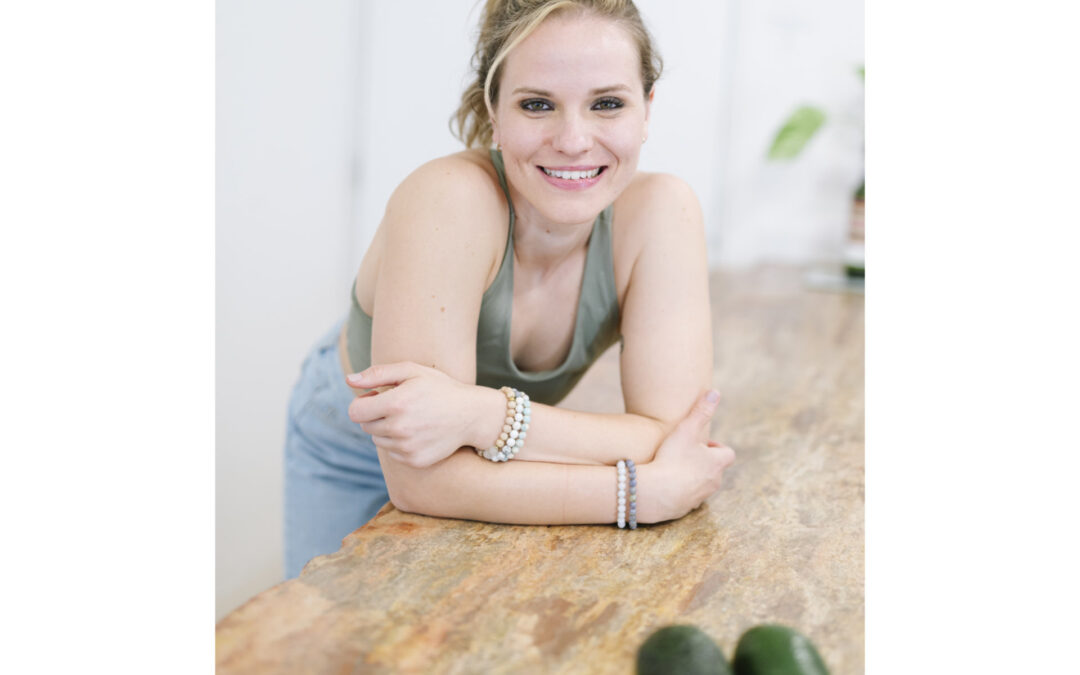
How you treat yourself at mealtime says everything about how you value your leadership, your energy, and your ability to show up for your team. Actions speak louder than words. You can practice all the positive affirmations you want, but ultimately it’s the things you do consistently to show yourself self-compassion and love that matter.
I’ve spent years trying to gain a deeper understanding of myself, my inner conflicts, insecurities and fears. My biggest challenge and most consuming issue was my relationship with food and how it was so deeply connected to how I love and respect myself.
As a high-performing professional, I realized that neglecting my nutrition wasn’t just about food; it was a reflection of how I was treating myself under pressure.
When Food Becomes the Last Priority
My relationship with food was complicated. There were many ups and downs, overindulgence and restrictions involved. Food is nourishment. It should not be used as punishment, and if it is, it’s a direct reflection of your lack of self-love and compassion for yourself.
Skipping meals, rushing through your day, eating food in front of the TV and choosing unhealthy options is saying “I’m not worth the time to slow down, nourish and nurture myself”.
This was something I did for many years as a busy professional. I didn’t realize that simply throwing something together or nibbling on random bits of food was disrespectful to myself and ultimately impacting my energy, focus, and ability to lead effectively.
Focusing on your relationship with food builds a sense of safety, trust and connectedness to yourself. When you prepare a meal for yourself, you are infusing loving energy from your heart into the food you eat. This isn’t just about wellness—it’s about performance.
The Turning Point
So what changed? How did I change my destructive relationship with food and turn it into a more loving one?
I started by setting up one or two days a week to prepare all my meals. Since I enjoy having company while cooking, I would invite a friend over and meal prep on Sundays. I would invite my sister over one night of the week to cook together. Since she really loves to cook, it makes the experience a lot of fun.
I noticed how much I loved eating and sharing a meal with someone. It’s therapeutic. You can talk about what you made, discuss new recipes for the next week and enjoy it together.
This simple practice transformed more than just my nutrition—it transformed how I showed up at work, how I handled stress, and how I helped my clients.
Tuning Into Self-Worth
I really started to tune into my feelings and the love I had for myself. We are taught that if we focus too much on ourselves, we are considered selfish, but nothing can be further from the truth. Poor dietary choices are linked to issues of low self-esteem and lack of self-compassion. When we respect ourselves and believe we are worthy, we are less likely to eat unhealthy food, overeat or restrict ourselves.
For executives and leaders, this translates directly to performance. When you’re rushing through lunch at your desk or skipping meals altogether, you’re not just compromising your health; you’re compromising your decision-making capacity, your patience with your team, and your ability to bring your best strategic thinking to critical moments.
The Practice of Presence
Being present and mindful while eating is vital to developing a better relationship with food. Mindfulness is the act of fully paying attention to the present moment. Before, I used to rush through my food, eat fast while on the go, not even realizing what I was consuming at times.
Now, I make a conscious effort to set the table, sit down with my meal, take the time to smell the aromas of the food and savour each bite. I can’t tell you how much this helped transform my relationship with food and cultivate more self-compassion by doing this regularly. These moments of slowing down became mini-resets throughout my day. Opportunities to check in with myself, reduce cortisol, and approach the afternoon with renewed clarity.
The way you nourish yourself is the foundation for how you lead others. When you show yourself compassion in how you eat, you create a ripple effect that touches every interaction, every decision, and every outcome in your organization.